How Bolingbrook Distribution Centers Maintain Cleanliness Standards Across 24/7 Operations
By Gosia Baran, Helping Hands Commercial Cleaning
Keep Your Facility Clean, Safe, and Inspection-Ready
Get professional cleaning services tailored to your building.
In the fast-paced logistics industry, maintaining cleanliness standards is vital for operational efficiency and employee health. Bolingbrook’s distribution centers face unique challenges due to their continuous operations, requiring meticulous attention to hygiene practices. This article explores various strategies that these facilities implement to uphold cleanliness, focusing on operational hygiene practices and compliance measures that ensure a safe working environment. Readers will learn about tailored cleaning plans, health-focused protocols, and the benefits of effective sanitation techniques that support 24-hour operations. As businesses in this sector navigate the complexities of maintaining cleanliness, understanding these methods and their implications becomes crucial for success in the industry.
Operational Hygiene Practices
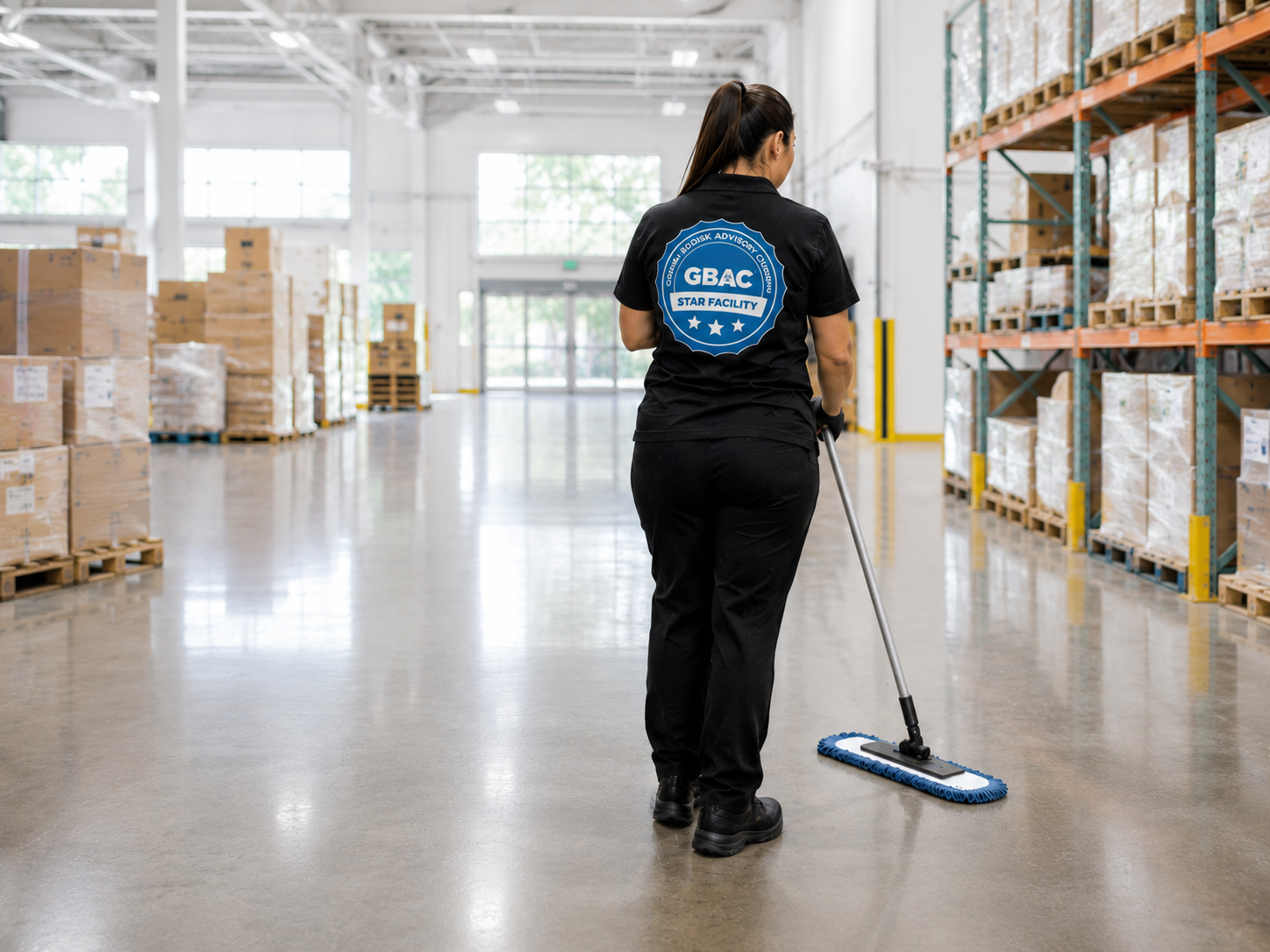
Operational hygiene practices are essential for sustaining a clean and safe working environment in distribution centers. These facilities operate 24/7, thus requiring rigorous cleaning protocols designed to accommodate intense operational demands. By custom-tailoring cleaning schedules and implementing robust health-focused cleaning protocols, Bolingbrook distribution centers ensure that cleanliness standards are not only met but consistently exceeded. This proactive approach leads to enhanced employee wellness and improved operational efficiency, reducing potential disruptions caused by hygiene-related issues.
Customized Cleaning Plans
Customized cleaning plans are crucial for addressing the specific needs of each distribution center. Factors such as facility size, volume of goods handled, and operational activity levels influence these plans. By analyzing these variables, management creates individualized cleaning schedules that focus on the most critical areas, ensuring maximum hygiene without disrupting workflow. Additionally, operational compliance requirements dictate the frequency and detail of cleaning tasks, further guiding the development of tailored approaches that enhance cleaning effectiveness.
Service Frequency
Routine cleaning frequency is vital for high-traffic areas within distribution centers. Establishing a clear schedule ensures that areas prone to dirt and contaminants, such as loading docks and product storage spaces, receive consistent attention. Daily cleaning is crucial to manage these high-traffic zones, adapting to the varying workloads that fluctuate throughout operational hours. By maintaining an adequate cleaning frequency, distribution centers minimize the risk of dirt accumulation and contamination, fostering a healthier environment for employees.
Health-Focused Protocols
Health-focused protocols are designed to enhance safety and sanitation throughout distribution facilities. This includes the use of specialized cleaning products aimed at preventing cross-contamination and promoting hygiene. Techniques such as electrostatic spraying effectively distribute disinfecting solutions across surfaces, ensuring that all areas are covered uniformly. These protocols equip facilities with a strong defense against pathogens, creating a healthier workplace that enhances overall employee morale and productivity.
Continuous Coverage
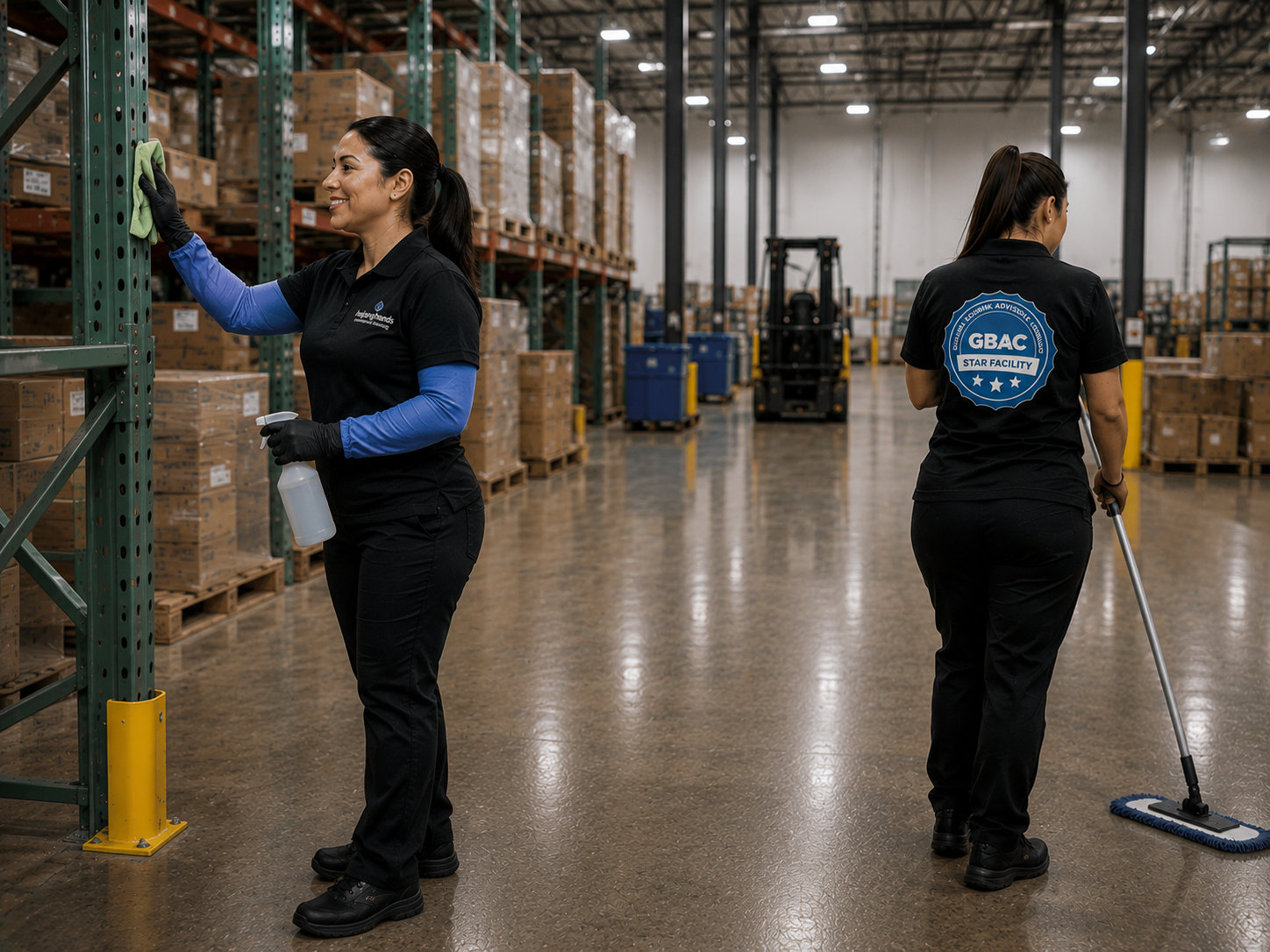
Continuous coverage is essential to maintaining cleanliness standards at all hours. Implementation of dedicated porter services ensures that cleaning activities are performed consistently throughout operational shifts. Day porters are equipped to address cleanliness issues immediately as they arise, thus preventing dirt buildup and ensuring a positive perception of the work environment. The investment in continuous coverage not only enhances sanitation but also reflects a commitment to employee wellbeing.
Compliance Measures
Compliance measures are critical for setting and adhering to industry-specific hygiene standards. Distribution centers need to follow guidelines established by health authorities and maintain regular inspections to verify compliance with these standards. By prioritizing inspections and audits, facilities can identify areas for improvement and implement necessary adjustments swiftly. Regular documentation of cleaning activities also supports compliance efforts, ensuring that facilities maintain a high level of accountability concerning their hygiene practices.
Challenges Faced
Coordinating cleaning efforts with the demands of continuous operations presents several challenges. Distribution centers often grapple with the need to balance rigorous cleaning schedules with the operational workload, which can lead to potential disruptions. However, effective management strategies, such as utilizing flexible cleaning teams and prioritizing critical areas, can solve these challenges. As operations evolve, ongoing adjustments are necessary to address the dynamic nature of the distribution environment.
Inspection-Driven Quality Assurance
Inspection-driven quality assurance is a systematic approach that ensures high cleaning standards are sustained through regular assessments. Regular inspections verify that cleaning protocols are followed effectively and that any deviations are identified and rectified promptly. Documentation of inspections fosters transparency and accountability, allowing facility managers to track performance metrics over time. This process reinforces commitment to maintaining cleanliness and compliance in line with industry standards.
Essential Warehouse Sanitation Best Practices for 24-Hour Distribution Centers
Implementing best practices for sanitation in 24-hour distribution centers involves comprehensive strategies that address both routine cleaning and specialized tasks. Here are some key practices to consider:
- Routine Deep Cleaning: Conducting deep cleaning sessions during low-traffic periods ensures thorough sanitation without operational disruptions.
- Use of Antimicrobial Products: The inclusion of antimicrobial cleaning agents helps reduce the potential for bacterial growth in common areas.
- Regular Equipment Maintenance: Ensuring that cleaning equipment is well-maintained avoids inefficiencies and improves overall cleaning effectiveness.
These practices not only enhance the cleanliness of distribution centers but also foster a culture of health and safety among employees.
Which Cleaning Protocols Ensure Compliance With Warehouse Hygiene Standards?
Compliance with established hygiene standards is paramount for maintaining operational integrity in distribution centers. Facilities must adopt specific cleaning protocols that ensure they meet regulatory requirements while also addressing practical needs. Essential protocols include:
- Routine Surface Testing: Regular testing of high-touch surfaces ensures that sanitation protocols are effectively reducing contamination risks.
- Employee Training: Proper training on hygiene practices ensures that all staff understand the critical importance of maintaining a clean environment.
- Documentation and Reporting: Keeping detailed records of all cleaning activities supports compliance efforts and facilitates easier audits during inspections.
Implementing these protocols contributes to a compliant and healthy working environment within Bolingbrook distribution centers.
Antimicrobial Cleaning Solutions in Logistics Facilities
Antimicrobial cleaning solutions play an integral role in maintaining hygiene in logistics facilities. These products are specifically formulated to inhibit the growth of bacteria and viruses on surfaces, effectively reducing the risk of contamination.
| Product Type | Active Ingredient | Application Method |
|---|---|---|
| Surface Cleaners | Quaternary Ammonium Compounds | Spray or wipe on surfaces |
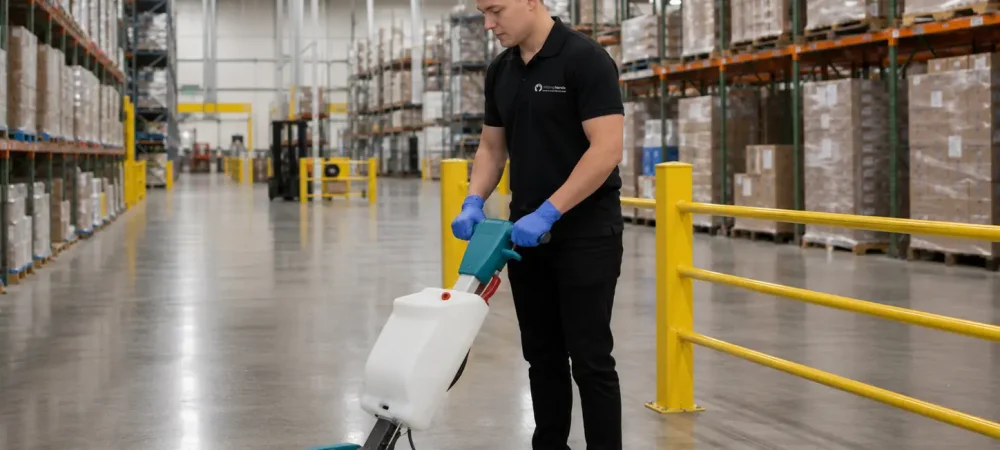
| Floor Disinfectants | Chlorinated Compounds | Mopping or auto-scrubbing |
| Hand Sanitizers | Alcohol-Based Solutions | Direct application to hands |
The use of these solutions not only fulfills health regulations but also instills confidence in employees regarding their safety in the workplace.
Implementing Operational Hygiene Practices During Continuous Operations
Implementing operational hygiene practices in continuous operations requires careful planning and execution. Facilities must ensure that cleaning protocols do not interfere with day-to-day operations while effectively managing hygiene standards. Key strategies include:
- Effective Scheduling: Carefully timed cleaning shifts can minimize operational disruptions while sustaining cleanliness.
- Utilization of Technology: Employing automation in cleaning tasks can enhance efficiency and effectiveness, allowing staff to focus on high-priority areas.
- Feedback Mechanisms: Regular feedback from employees regarding cleanliness can inform ongoing improvements to hygiene practices.
These strategies create a responsive cleaning ecosystem that addresses the unique needs of 24/7 operations.
Role of Janitorial and Porter Services in 24/7 Warehouse Cleaning
The role of janitorial and porter services is invaluable in maintaining hygiene within 24-hour warehouse operations. These specialized services ensure a consistent level of cleanliness across all operational areas. Janitorial teams can adjust schedules based on peak operational times, ensuring that cleaning occurs without disruption. Expertise in health standards ensures that trained staff understand the specific hygiene standards required in distribution centers, ensuring compliance and safety. These services not only maintain cleanliness but also foster a culture of health and safety in the workplace.
Adjusting Cleaning Schedules for Continuous Operational Needs
Adjusting cleaning schedules to meet the demands of continuous operations is critical for effective hygiene management. This involves analyzing operational patterns and identifying peak hours for activity.
- Dynamic Scheduling: Flexibility in cleaning schedules allows for intensive cleaning during off-peak hours while ensuring that high-traffic areas are regularly sanitized.
- Prioritizing Critical Areas: Focusing cleaning efforts on areas with higher contamination risks ensures that health standards are consistently met.
- Regular Review and Adjustments: Continual assessment of cleaning schedules allows for adaptations based on changing facility needs and operational requirements.
With these adjustments, distribution centers can maintain high hygiene standards without compromising operational efficiency.
Compliance Standards Guiding Hygiene Management in Bolingbrook Warehouses
Compliance with established hygiene standards is fundamental for Bolingbrook’s warehouses. Adhering to specific regulatory frameworks ensures that facilities maintain operational integrity while prioritizing employee health and safety.
- OSHA Guidelines: Ensuring compliance with Occupational Safety and Health Administration regulations that set the framework for workplace hygiene.
- Local Health and Safety Codes: Following local codes that dictate sanitation practices specific to distribution centers.
- Industry Best Practices: Aligning with recognized industry practices that support overall hygiene management.
By implementing these standards, distribution centers create a reliable framework that underpins their hygienic practices.
How ISSA and GBAC Standards Support Distribution Center Cleanliness?
ISSA (the Worldwide Cleaning Industry Association) and GBAC (Global Biorisk Advisory Council) standards provide crucial benchmarks for cleanliness and sanitation within distribution centers. These standards offer comprehensive guidelines for operational cleanliness that align with industry best practices.
- ISSA Cleaning Industry Standards: Focus on providing resources for effective cleaning methods that enhance safety and efficiency.
- GBAC’s Biorisk Management Principles: Establish protocols designed to mitigate risks associated with biohazards, ensuring a safe workplace.
- Training and Certification Programs: Both organizations offer training programs that equip cleaning staff with the necessary skills to meet and exceed hygiene standards.
Implementing these standards not only aids compliance but also enhances the overall effectiveness of cleaning efforts.
Key Health and Safety Compliance Practices for Warehouse Sanitation
Adopting health and safety compliance practices is essential for maintaining a sanitary environment in warehouses. Essential practices include:
- Regular Health Assessments: Periodic evaluations of health practices to identify areas requiring improved sanitation measures.
- District Workforce Education: Training programs about hygiene standards ensure all employees are informed and compliant.
- Emergency Preparedness Plans: Establishing protocols for sanitation during health emergencies reinforces a commitment to safety.
These compliance practices help create a framework that supports continuous operational hygiene.
Auditing and Monitoring Cleaning Protocols in 24/7 Distribution Centers
Auditing and monitoring cleaning protocols are critical for ensuring sustained adherence to hygiene standards. Facilities dedicated to continuous operations must establish regular auditing processes to verify cleaning effectiveness.
- Scheduled Audits: Setting up periodic audits to review cleaning procedures helps maintain compliance and encourages ongoing improvements.
- Utilizing Technology: Employing digital monitoring technologies can enhance transparency and accountability in cleaning activities.
- Staff Involvement: Engaging employees in monitoring efforts fosters collective responsibility towards maintaining cleanliness standards.
By consistently auditing cleaning protocols, distribution centers can identify strengths and weaknesses, enabling continuous improvement.
Data-Driven Methods Verifying Warehouse Hygiene Compliance
Data-driven methods can play a significant role in verifying warehouse hygiene compliance. Utilizing metrics and analytics ensures a systematic approach to maintaining cleanliness.
- Tracking Cleaning Activities: Documenting cleaning activities to ensure consistency and compliance with established protocols.
- Analyzing Surface Testing Results: Regular surface testing data can indicate the effectiveness of cleaning efforts and identify areas needing attention.
- Benchmarking Against Standards: Comparing compliance metrics against established hygiene standards allows facilities to identify gaps and make necessary adjustments.
These data-driven insights support the ongoing improvement of hygiene practices in 24/7 distribution centers.
Real-Time Sanitation Monitoring and Feedback for Cleaning Standards
Implementing real-time sanitation monitoring systems enables distribution centers to maintain rigorous hygiene standards effectively. Such systems support immediate feedback on cleaning practices and compliance.
- Immediate Alerts: Real-time monitoring can detect areas needing immediate attention, allowing for quick action and minimizing hygiene risks.
- Feedback Loops: Establishing feedback loops with staff enhances communication and facilitates timely adjustments to cleaning strategies.
- Regular Reporting: Sharing real-time data with the management team fosters accountability and encourages a proactive approach to hygiene maintenance.
With these tools, Bolingbrook distribution centers can enhance their cleaning protocols, ensuring that high hygiene standards are consistently met.
For businesses looking for comprehensive cleaning solutions, understanding these operational hygiene practices is key to maintaining a productive and safe distribution center environment.