Optimal Office Cleaning Frequency for Corporate Workspaces in Chicago Area
By Gosia Baran, Helping Hands Commercial Cleaning
Keep Your Facility Clean, Safe, and Inspection-Ready
Get professional cleaning services tailored to your building.
In a bustling corporate environment, maintaining cleanliness and hygiene is crucial for productivity and well-being. Facilities need a structured cleaning schedule to ensure a healthy workspace, reduce absenteeism, and enhance employee morale. This article explores the optimal cleaning frequency for corporate offices in the Chicago area, tailored to the unique demands of different workspace sizes and usage patterns. Readers will discover various cleaning intervals, the specific needs of different office areas, and how factors such as employee count and office size influence these choices. Ultimately, the goal is to provide insight into establishing an effective cleaning schedule that promotes overall workplace health.
What Is the Recommended Cleaning Schedule for Corporate Offices in Chicago?
Determining the ideal cleaning schedule for corporate offices in the Chicago area involves assessing various factors, including office size, traffic, and specialized sanitation needs. Generally, high-traffic areas require daily cleaning to maintain hygiene standards, while less frequented spaces may only need weekly or bi-weekly services. For effective cleaning protocols, it is crucial to customize the schedule according to the specific operational requirements, ensuring that cleanliness meets health guidelines.
To visualize cleaning needs based on office characteristics, see the following table:
| Service Frequency | Office Size | Recommended Approach |
|---|---|---|
| Daily | Large | Full janitorial service focusing on high-traffic areas. |
| Weekly | Medium | Combination of daily and weekly cleaning for optimal hygiene. |
| Bi-weekly | Small | Targeted cleaning of essential areas, ensuring all spaces are maintained. |
This approach underscores the necessity of tailored cleaning schedules that account for the dynamism of corporate environments.
How Do Daily and Weekly Professional Cleaning Intervals Compare?
Daily professional cleaning is essential for ensuring consistently high standards of hygiene in high-traffic environments. This frequency significantly reduces the buildup of dirt and germs and contributes to a healthier workplace overall. Conversely, weekly intervals may suffice for businesses with less foot traffic, allowing for a more streamlined cleaning process that balances cost and efficiency. However, facility managers must evaluate operational needs to determine the best fit for their organization.
Which Office Areas Require More Frequent Sanitation?
Certain spaces within corporate offices naturally demand more attention due to higher usage and potential contamination risks. The areas that typically require more frequent sanitation include:
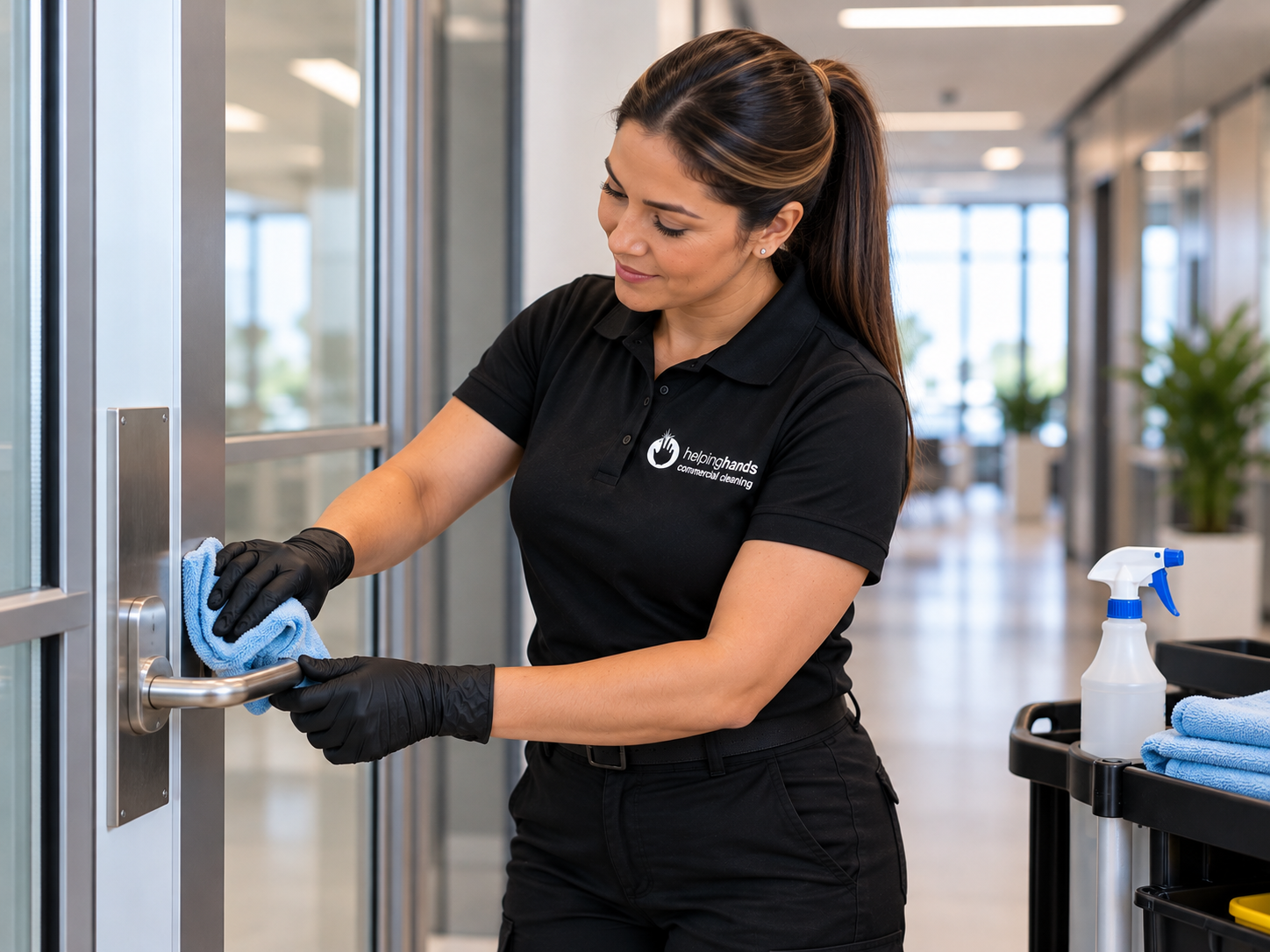
- High-Touch Surfaces: Door handles, light switches, and communal devices collect bacteria and should be sanitized daily.
- Restrooms: Must be cleaned multiple times per day to ensure optimal hygiene.
- Common Areas: Waiting rooms and break rooms often require frequent attention to maintain cleanliness.
Maintaining cleanliness in these zones can significantly improve employee health and overall satisfaction.
How Does Office Size and Occupancy Influence Cleaning Frequency?
Office size and occupancy levels play a critical role in shaping cleaning schedules. Larger offices with heavy employee traffic usually necessitate more frequent cleaning. For instance, offices with over 50 employees might benefit from daily cleaning services due to the higher likelihood of dirt accumulation and germ transfer. In contrast, smaller offices may find that bi-weekly services suffice, provided that high-touch areas receive adequate attention.
What Cleaning Frequency Is Ideal for Small versus Large Corporate Offices?
For small corporate offices, typically those with fewer than 10 employees, bi-weekly cleaning can often strike the right balance between budget constraints and necessary upkeep. Conversely, large offices require daily services, as the increased foot traffic leads to quicker deterioration of cleanliness. This ensures that the environment remains appealing and hygienic, reducing the likelihood of health-related complaints among staff.
How Does Employee Count Affect Commercial Janitorial Service Plans?
The number of employees directly influences the cleaning needs of an office. With more employees, the use of shared facilities increases, necessitating more frequent cleaning to keep spaces sanitary. For example, firms with over 50 employees may require dedicated cleaning staff, while smaller firms might use a cleaning service for general upkeep.
Which Health and Safety Standards Guide Corporate Cleaning Intervals?
Compliance with health and safety standards is paramount in establishing effective cleaning schedules. Various regulations, including those set by the CDC and OSHA, provide guidelines on maintaining safe hygienic practices in workplaces. Tailoring cleaning frequencies to align with these guidelines ensures that companies not only adhere to regulations but also foster a healthy working environment.
What Are ISSA and GBAC Protocols for Office Sanitization Frequency?
The ISSA and GBAC have established protocols for office cleaning that underscore the importance of frequent sanitation in high-traffic environments. These protocols advocate for regular assessments of cleaning needs based on occupancy levels and specific usage patterns. Implementing these recommendations can markedly elevate hygiene standards.
How Do Evolving Post-Pandemic Guidelines Impact Cleaning Schedules?
Post-pandemic guidelines greatly affect office cleaning schedules, emphasizing the need for enhanced cleaning protocols. With increased awareness of germs and hygiene, businesses are adapting by increasing the frequency of their cleaning services. This evolution reflects a broader understanding of the role cleanliness plays in employee health and satisfaction.
What Are the Benefits of Regular Daily Office Cleaning Services?
Regular daily cleaning services provide several key advantages, including:
- Health Improvements: Consistent cleaning reduces the likelihood of illness transmitted between employees.
- Enhanced Productivity: A clean environment fosters a more focused and efficient workflow.
- Long-Term Cost Savings: Regular maintenance can avert costly repairs associated with neglect and deterioration.
Adopting a consistent cleaning schedule cultivates a culture of care within the organization, supporting employee well-being.
How Does Professional Daily Cleaning Improve Employee Health and Productivity?
Professional daily cleaning effectively mitigates allergens and contaminating agents within the office. Improved air quality and cleanliness contribute to reduced sick days and heightened employee morale and productivity, leading to significant long-term benefits for businesses.
What Are the Advantages of Multi-Day Commercial Cleaning Plans?
Choosing multi-day commercial cleaning plans offers several advantages:
- Consistent Cleanliness: Regular cleaning helps maintain a tidy work environment.
- Healthier Workplace: Fewer germs and allergens result in a safer environment for employees.
- Cost-Effectiveness: Multi-day plans can provide more value compared to a single deep clean.
By implementing a multi-day cleaning strategy, businesses can enhance workplace standards while managing cleanliness costs effectively.
How Can Facility Managers Optimize Cleaning Frequency and Costs?
Facility managers can optimize cleaning frequencies by analyzing employee traffic patterns and office usage. By customizing cleaning plans to match these dynamics, they can effectively balance budgetary constraints with the need for maintaining a clean environment. Utilizing data from cleaning logs and feedback from staff can also guide adjustments to cleaning contracts.
What Factors Should Guide Selection of Janitorial Service Contracts?
Selecting janitorial service contracts should consider features such as:
- Flexibility: Ability to adjust cleaning frequencies based on occupancy and needs.
- Scope of Services: Inclusion of specialized cleaning for various office areas.
- Reliability: Assurance that services are delivered consistently and to high standards.
Ensuring these factors are addressed can foster a reliable and effective partnership with cleaning providers.
How Do Customized Cleaning Frequencies Support Budget and Hygiene Goals?
Customizing cleaning frequencies allows organizations to achieve preferred hygiene standards while adhering to budget constraints. Tailored cleaning solutions can help in prioritizing high-risk areas, effectively managing costs while satisfying health compliance needs.
What Common Questions Do Facility Managers Have About Office Cleaning Frequency?
Facility managers often have several queries regarding optimal cleaning intervals, such as:
- What is the most frequently needed service?: Daily cleaning should focus on high-traffic areas.
- How does office design affect cleaning frequency?: Open layouts may need different strategies than partitioned offices due to varying traffic flow.
- What factors can decrease cleaning needs?: Implementing proactive hygiene measures can result in longer intervals between cleanings.
Addressing these common questions can significantly assist in formulating effective cleaning strategies.
How Often Should High-Traffic Zones Be Professionally Cleaned?
High-traffic zones, including entrances and break areas, should ideally be professionally cleaned each day. This frequency helps reduce the buildup of dirt and germs, supporting a healthier workspace.
What Is the Difference Between Porter Services and Standard Janitorial Cleaning?
Porter services are designed for ongoing maintenance throughout the day, focusing on keeping facilities tidy and stocked, whereas standard janitorial cleaning typically occurs after hours, concentrating on deep cleaning tasks. Each service has unique benefits and can complement one another for a comprehensive cleaning strategy.