Why Industrial Facilities in the Chicago Area Are Choosing Direct-Hire Cleaning Teams for Reliable Janitorial Services
By Gosia Baran, Helping Hands Commercial Cleaning
Keep Your Facility Clean, Safe, and Inspection-Ready
Get professional cleaning services tailored to your building.
In the competitive landscape of industrial operations, maintaining a clean and safe environment is paramount. Industrial facilities in the Chicago area are increasingly recognizing the value of direct-hire cleaning teams, which offer a range of benefits that enhance operational efficiency and compliance with health standards. This article explores the reasons behind this shift, focusing on the advantages of direct-hire staffing, the challenges faced by local facilities, and the success stories that highlight the effectiveness of these teams. Readers will gain insights into how direct-hire cleaning teams can improve accountability, service consistency, and overall facility management.
What Are the Key Advantages of Direct-Hire Janitorial Teams for Industrial Facilities?
Direct-hire janitorial teams provide several key advantages for industrial facilities, making them an attractive option for facility managers. These benefits include cost efficiency, reliability, and enhanced quality of service. By employing cleaning staff directly, facilities can ensure that their cleaning teams are well-trained and aligned with the specific needs of their operations.
- Cost Efficiency: Direct-hire teams often reduce overhead costs associated with subcontracting cleaning services, allowing facilities to allocate resources more effectively.
- Reliability: With direct-hire staffing, facilities can maintain consistent cleaning schedules and ensure that the same team is responsible for their cleaning needs, fostering familiarity and trust.
- Quality of Service: Direct-hire teams are typically better trained and more invested in their work, leading to higher standards of cleanliness and sanitation.
For instance, a provider in the Chicago area emphasizes accountable, health-focused cleaning programs tailored specifically for industrial facilities. This approach not only meets but often exceeds industry standards, ensuring that facilities remain compliant with health regulations. For comprehensive solutions, consider exploring janitorial services designed for industrial needs.
How Does Direct-Hire Staffing Improve Accountability and Service Consistency?
Direct-hire staffing enhances accountability by establishing clear expectations and responsibilities for cleaning teams. This structure leads to improved service consistency, as team members are more likely to adhere to established protocols and standards.
- Consistent Training Standards: Direct-hire teams undergo regular training, ensuring that all staff are up-to-date with the latest cleaning techniques and safety protocols.
- Clear Accountability: Facility managers can directly communicate with their cleaning teams, fostering a culture of accountability and responsiveness.
- Better Retention Rates: Direct-hire arrangements often lead to lower turnover rates, which means that the same team members are familiar with the facility’s specific needs over time.
This level of accountability not only enhances the quality of cleaning but also builds a stronger partnership between facility managers and cleaning staff. Understanding the full scope of what direct-hire entails can be beneficial; learn more about us and our commitment to direct employment.
What Operational Benefits Do Facility Managers Experience with Direct-Hire Cleaning?
Facility managers experience numerous operational benefits when utilizing direct-hire cleaning teams. These advantages contribute to smoother operations and a more effective cleaning process.
- Greater Quality Control: Direct-hire teams allow for more stringent quality control measures, as managers can directly oversee the cleaning process and provide immediate feedback.
- Customized Cleaning Programs: Facility managers can work closely with cleaning teams to develop tailored cleaning schedules and protocols that meet the unique needs of their operations.
- Proactive Issue Resolution: With direct communication channels, facility managers can quickly address any cleaning-related issues, ensuring that problems are resolved before they escalate.
These operational benefits ultimately lead to a more efficient and effective cleaning process, which is crucial for maintaining a safe and productive work environment.
How Do Health-Focused Cleaning Protocols Enhance Manufacturing Plant Sanitation?
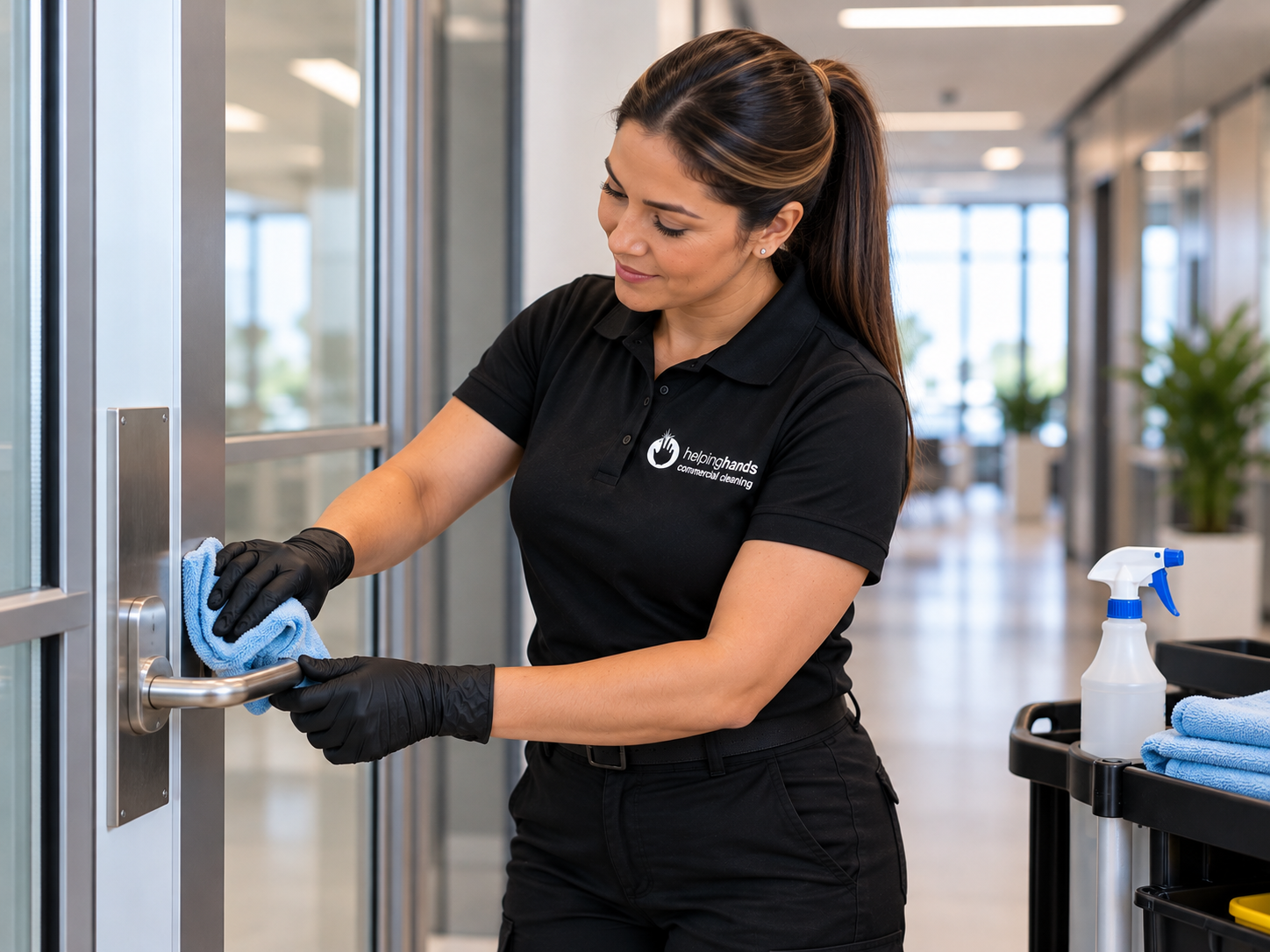
Health-focused cleaning protocols are essential for maintaining sanitation in manufacturing plants. These protocols target high-touch surfaces and utilize non-toxic cleaning agents to ensure a safe working environment.
- Targeted Cleaning of High-Touch Surfaces: Regular disinfection of frequently touched areas helps prevent the spread of germs and maintains a healthier workplace.
- Use of Non-Toxic Cleaning Agents: Implementing eco-friendly cleaning products reduces the risk of chemical exposure for employees while still achieving effective sanitation.
- Compliance with Regulatory Standards: Adhering to health regulations ensures that facilities meet industry standards, which is critical for operational success.
By prioritizing health-focused cleaning, facilities can enhance their sanitation efforts and create a safer environment for their employees.
What Local Challenges Affect Industrial Cleaning in the Chicago Region?
Industrial cleaning in the Chicago region faces several local challenges that can impact the effectiveness of cleaning operations. Understanding these challenges is crucial for facility managers seeking to implement effective cleaning strategies.
- Regulatory Issues: Compliance with local and state regulations can be complex, requiring facilities to stay informed about changing standards.
- Workforce Availability: The availability of skilled labor can fluctuate, making it challenging to maintain a consistent cleaning staff.
- Operational Constraints: Facilities often operate under tight schedules, which can limit the time available for thorough cleaning.
Addressing these challenges requires a strategic approach to cleaning operations, including the use of direct-hire teams that can adapt to the unique needs of each facility.
How Do Regional Regulations Influence Cleaning Requirements in Illinois Facilities?
Regional regulations significantly influence cleaning requirements for facilities in Illinois. Compliance with these regulations is essential for maintaining operational licenses and ensuring employee safety.
- OSHA Safety Standards: Facilities must adhere to Occupational Safety and Health Administration (OSHA) standards, which dictate safe cleaning practices and the use of appropriate cleaning agents.
- EPA-Registered Disinfectants: The Environmental Protection Agency (EPA) requires the use of registered disinfectants to ensure effective sanitation, particularly in industrial settings.
Understanding and implementing these regulations is crucial for facility managers to maintain compliance and ensure a safe working environment.
What Solutions Do Direct-Hire Teams Offer for Chicago-Area Industrial Cleaning Needs?
Direct-hire teams provide tailored solutions to meet the specific cleaning needs of industrial facilities in the Chicago area. Their local expertise and commitment to quality service make them an ideal choice for facility managers.
- Consistency and Accountability: Direct-hire teams offer a reliable cleaning solution, ensuring that facilities receive consistent service tailored to their unique requirements.
- Local Expertise: Familiarity with local regulations and industry standards allows direct-hire teams to navigate compliance challenges effectively.
- Customized Cleaning Plans: Direct-hire teams can develop cleaning plans that address the specific needs of each facility, enhancing overall sanitation efforts.
These solutions not only improve cleaning outcomes but also foster a collaborative relationship between facility managers and cleaning teams. To get started with tailored services, request a quote: get a quote.
How Have Direct-Hire Cleaning Teams Demonstrated Success in Chicago’s Industrial Sector?
Direct-hire cleaning teams have shown significant success in the industrial sector of Chicago, with numerous facilities reporting measurable improvements in cleanliness and operational efficiency.
- Measurable Improvements: Facilities utilizing direct-hire teams often report a reduction in complaints related to cleanliness and sanitation.
- Client Testimonials: Many facility managers express satisfaction with the reliability and quality of service provided by direct-hire teams.
- Case Studies: Specific case studies illustrate the positive impact of direct-hire staffing on facility operations, showcasing enhanced cleaning outcomes and improved employee satisfaction.
These success stories highlight the effectiveness of direct-hire cleaning teams in meeting the unique challenges faced by industrial facilities.
What Measurable Improvements Have Clients Reported with Direct-Hire Janitorial Services?
Clients utilizing direct-hire janitorial services have reported several measurable improvements that underscore the effectiveness of this approach.
- Reduction in Complaints: Facilities have seen a significant decrease in complaints regarding cleanliness, indicating higher satisfaction among employees and management.
- Increased Employee Satisfaction: A cleaner work environment contributes to improved morale and productivity among staff, leading to a more positive workplace culture.
These improvements demonstrate the tangible benefits of investing in direct-hire cleaning teams for industrial facilities.
How Do Case Studies Illustrate the Impact of Direct-Hire Staffing on Facility Operations?
Case studies provide valuable insights into the impact of direct-hire staffing on facility operations, showcasing real-world examples of success.
- Documented Performance Metrics: Facilities that have transitioned to direct-hire cleaning teams often present data showing enhanced cleaning efficiency and effectiveness.
- Proactive Management of Cleaning Standards: Direct-hire teams enable facility managers to maintain high cleaning standards through regular oversight and communication.
These case studies serve as compelling evidence of the advantages offered by direct-hire cleaning teams in the industrial sector.
This approach is substantiated by research indicating the superior long-term outcomes of direct employment compared to temporary work.
Direct-Hire Employment Outperforms Temporary Jobs for Long-Term Outcomes
ABSTRACT: AbstractTemporary-help jobs offer rapid entry into paid employment, but they are typically brief and it is unknown whether they foster longer termemployment. We utilize the unique structure of Detroit’s welfare-to-work program to identify the effect of temporary-help jobs on labor market advancement. Exploiting the rotational assignment of welfare clients to numerous nonprofit contractors with differing job placement rates, we find that temporary-help job placements donot improve and may diminish subsequent earnings and employment outcomes among participants. In contrast, job placements with direct-hire employers substantially raise earnings and employment over a seven quarter follow-up period. (JEL J22, J23, J24, J31, J68)1. By clicking the “Accept” button or continuing to browse our site, you agree to first-party and session-only cookies being stored on your device to enhance site navigation and analyze site performance and traffic. For more information on our use of cookies, please see ourPrivacy Policy. Do temporary-help jobs improve labor market outcomes for low-skilled workers? Evidence from “Work First”, 2010