School Cleaning Services in Schaumburg, IL: What Schools Need to Stay Clean and Safe
Maintaining a clean and safe environment in schools is crucial for the health and well-being of students and staff. Effective school cleaning services not only enhance the aesthetic appeal of educational institutions but also play a vital role in preventing the spread of illnesses. This article delves into the essential aspects of school cleaning services in Schaumburg, IL, focusing on the specific needs of schools to ensure a hygienic learning environment. Readers will learn about the importance of tailored janitorial services, effective disinfection practices, and compliance with safety standards. Additionally, we will explore eco-friendly cleaning solutions and provide guidance on selecting a reliable cleaning service backed by industry expertise and proven results.
Keep Your Facility Clean, Safe, and Inspection-Ready
Get professional cleaning services tailored to your building.
Janitorial Services for Schools
Janitorial services for schools encompass a range of cleaning tasks designed to maintain cleanliness and hygiene in educational facilities. These services typically include routine cleaning of classrooms, restrooms, hallways, and common areas, ensuring that all spaces are free from dirt and germs. Regular cleaning is essential, especially in high-traffic areas where students gather, as it helps reduce the risk of illness and promotes a healthy learning environment.
Tailored cleaning plans are crucial for addressing the unique needs of different school areas. For instance, specialized cleaning protocols may be necessary for science labs or gymnasiums, where spills and contaminants are more likely to occur. Schools in Schaumburg can benefit from professional cleaning services that understand these specific requirements and can adapt their strategies accordingly, employing trained staff and industry-standard equipment to deliver consistent, high-quality results.
Importance of Routine Cleaning
Routine cleaning is vital for maintaining a safe and healthy school environment. Regular cleaning schedules help to minimize the accumulation of dust, allergens, and pathogens, which can adversely affect students’ health. By implementing consistent cleaning practices based on evidence-based protocols, schools can significantly reduce absenteeism due to illness and create a more conducive learning atmosphere.
Tailored Cleaning Plans for Different School Areas
Different areas within a school require distinct cleaning approaches. Classrooms, cafeterias, and restrooms each have unique cleaning needs that must be addressed. For example, classrooms may require daily dusting and vacuuming, while cafeterias need thorough cleaning after meal times to prevent foodborne illnesses. Tailored cleaning plans ensure that each area receives the appropriate level of attention, enhancing overall cleanliness and safety. Professional cleaning providers often conduct detailed assessments to develop these customized plans, ensuring compliance with health and safety regulations.
Expertise in Handling High-Traffic Areas
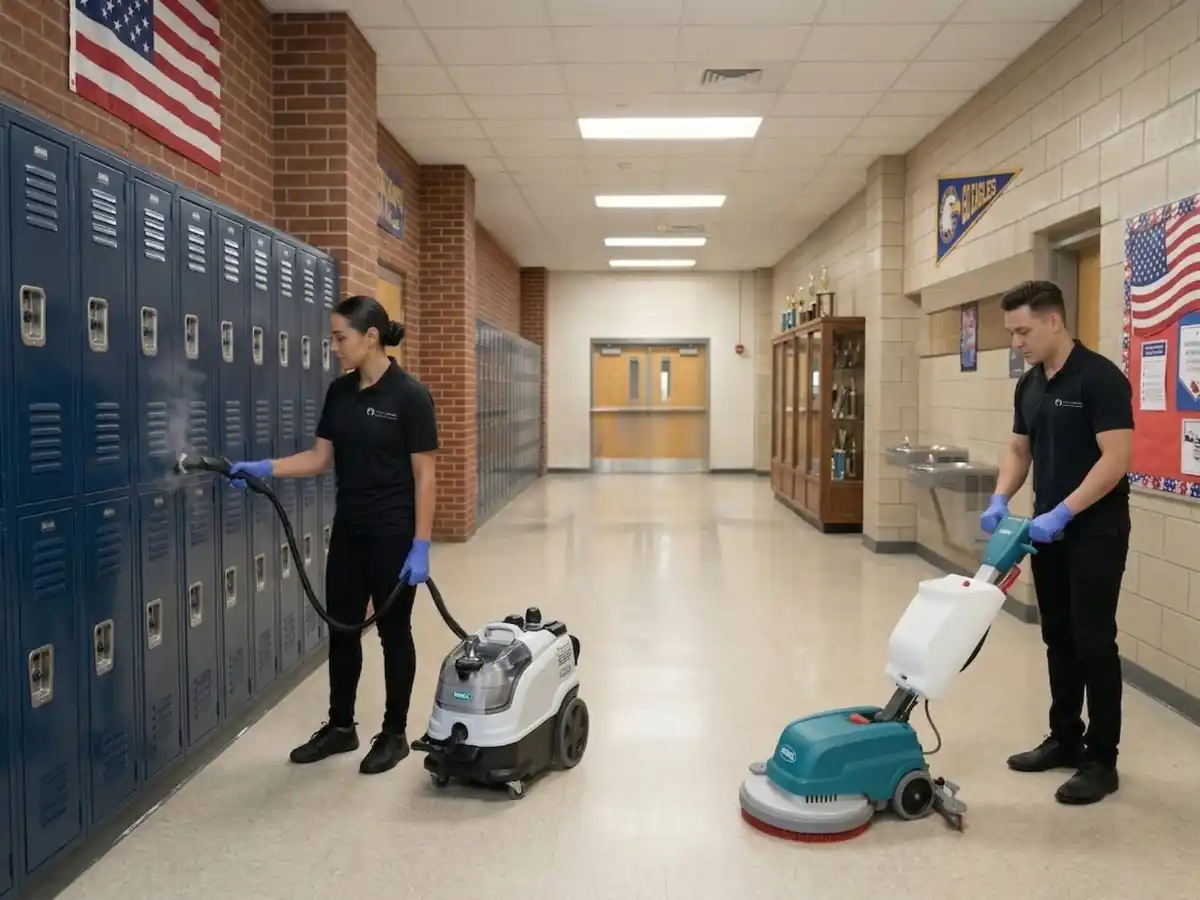
High-traffic areas, such as hallways and entrances, are prone to dirt and germs due to the constant movement of students and staff. Professional cleaning services possess the expertise and equipment necessary to effectively clean these areas, ensuring that they remain hygienic and presentable. Utilizing specialized cleaning techniques and products can help maintain the integrity of flooring and surfaces, prolonging their lifespan while promoting a healthy environment. Experienced providers also implement quality control measures to monitor cleanliness standards continuously.
School Disinfection and Sanitization
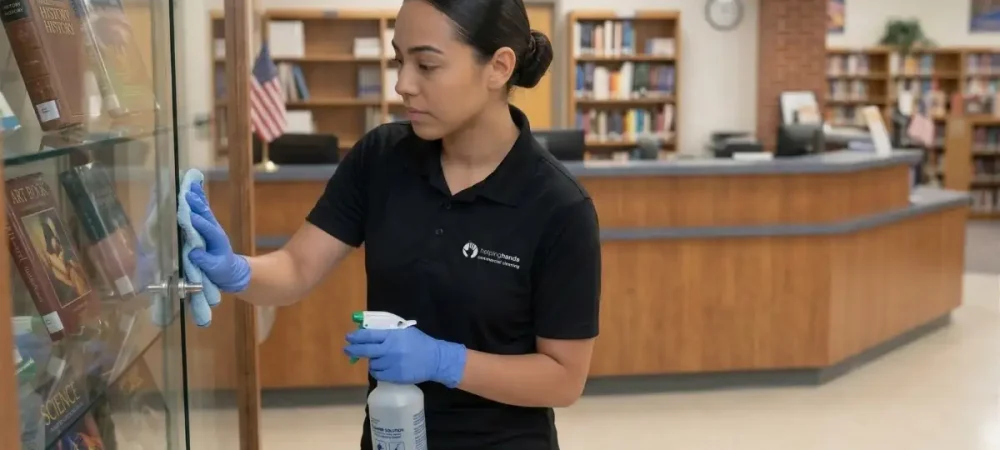
Disinfection and sanitization are critical components of school cleaning services, especially in light of recent health concerns. Effective disinfection practices help eliminate harmful pathogens, reducing the risk of illness among students and staff. Schools must prioritize regular disinfection of frequently touched surfaces, such as doorknobs, light switches, and desks, to maintain a safe environment.
Research continues to explore and validate the effectiveness of specific cleaning protocols in educational settings.
Effective School Cleaning Protocols: Reducing Contamination
Since no specific environmental cleaning instructions and methods have been developed for schools to tackle pandemics, and cleaning methods, this study aims to investigate the feasibility of a new effective school cleaning protocol in reducing the environmental contamination in kindergarten and primary school settings.
The effectiveness of a school-based protocol for environmental cleaning and disinfection during a pandemic: a randomized controlled pilot study, 2024
The frequency of disinfection should be determined by the level of activity in each area. For instance, high-traffic areas may require multiple disinfections throughout the day, while less frequented spaces can be disinfected less often. Schools in Schaumburg can benefit from professional cleaning services that offer comprehensive disinfection solutions tailored to their specific needs, utilizing EPA-registered disinfectants and following CDC guidelines to ensure maximum efficacy.
Frequency of Disinfection
Regular disinfection is essential for preventing the spread of germs in schools. High-touch surfaces should be disinfected at least once a day, while areas with higher foot traffic may require more frequent attention. Establishing a clear disinfection schedule helps ensure that all surfaces are adequately treated, minimizing the risk of illness transmission. Leading cleaning providers employ scientifically validated schedules and document their procedures to maintain accountability and transparency.
Types of Disinfectants Used
The choice of disinfectants is crucial for effective sanitization. Schools should utilize EPA-approved disinfectants that are proven to be effective against a broad spectrum of pathogens. Professional cleaning services can provide guidance on selecting the right products and ensuring their proper application to maximize effectiveness. Many providers also prioritize the use of disinfectants with low toxicity profiles to safeguard student and staff health.
Compliance with Health Standards
Compliance with health standards is a fundamental aspect of school cleaning services. Schools must adhere to guidelines set forth by health authorities to ensure the safety of students and staff. Professional cleaning services are well-versed in these regulations and can help schools maintain compliance through their cleaning practices. This includes adherence to OSHA regulations, CDC recommendations, and local health department requirements, supported by ongoing staff training and certification.
Safety and Compliance in School Cleaning
Safety and compliance are paramount in school cleaning services. Schools must adhere to various safety standards to protect the health of students and staff. This includes using appropriate cleaning products, following proper procedures, and ensuring that cleaning staff are trained in safety protocols.
Overview of Safety Standards
Safety standards for school cleaning encompass a range of practices designed to protect the health and well-being of students and staff. These standards include the proper use of cleaning chemicals, adherence to safety data sheets (SDS), and the implementation of personal protective equipment (PPE) for cleaning staff. Schools must ensure that their cleaning services comply with these standards to maintain a safe environment. Reputable cleaning companies provide comprehensive training programs and maintain strict quality assurance processes to uphold these standards.
Importance of Compliance in Cleaning Services
Compliance with safety standards is essential for preventing accidents and ensuring the health of students and staff. Schools that prioritize compliance demonstrate their commitment to safety and well-being. Professional cleaning services can help schools navigate these regulations and implement best practices to maintain compliance, reducing liability and fostering trust among parents and staff.
Consequences of Non-Compliance
Failure to comply with safety standards can have serious consequences for schools. Non-compliance may result in health risks for students and staff, potential legal liabilities, and damage to the school’s reputation. By partnering with professional cleaning services that prioritize compliance, schools can mitigate these risks and ensure a safe learning environment. Documented compliance and regular audits further reinforce accountability and continuous improvement.
Green Cleaning Solutions for Educational Facilities
As environmental concerns continue to grow, many schools are turning to green cleaning solutions to minimize their ecological footprint. Green cleaning products are formulated to be less harmful to the environment and human health, making them an excellent choice for educational facilities.
Benefits of Green Cleaning
Green cleaning offers several benefits, including improved indoor air quality, reduced exposure to harmful chemicals, and a lower environmental impact. By using eco-friendly cleaning products, schools can create a healthier environment for students and staff while contributing to sustainability efforts. Leading cleaning providers often integrate green cleaning into their service offerings, supported by certifications such as Green Seal and LEED.
Types of Green Cleaning Products
There are various types of green cleaning products available, including biodegradable cleaners, non-toxic disinfectants, and sustainable paper products. Schools should consider incorporating these products into their cleaning routines to promote a healthier environment. Selecting products with verified environmental claims ensures both efficacy and sustainability.
The environmental benefits of such products are often rigorously assessed to ensure their efficacy and sustainability claims.
Green Seal Cleaning Products: Environmental Impact Assessment
The goal of this study was to use life cycle assessment (LCA) methodology to assess the environmental impacts of industrial and institutional cleaning products that are compliant with the Green Seal Standard for Cleaning Products for Industrial and Institutional Use, GS-37, and conventional products (non-GS-37-compliant) products.
Comparative life cycle assessment of conventional and Green Seal-compliant industrial and institutional cleaning products, N Wilberforce, 2012
Impact on Student Health
The use of green cleaning solutions can have a positive impact on student health. By reducing exposure to harsh chemicals, schools can help minimize respiratory issues and allergies among students. This commitment to health and safety aligns with the overall goal of providing a safe learning environment. Many school districts report improved air quality and reduced absenteeism after adopting green cleaning programs.
Choosing a Reliable School Cleaning Service
Selecting a reliable school cleaning service is crucial for maintaining a clean and safe environment. Schools should consider several factors when evaluating potential cleaning providers to ensure they meet their specific needs.
Key Factors to Consider
When choosing a school cleaning service, schools should consider factors such as experience, reputation, and the range of services offered. It is essential to select a provider with a proven track record in the education sector and a commitment to quality service. Accreditation, certifications, and industry memberships can also serve as indicators of professionalism and reliability.
Questions to Ask Potential Providers
Schools should ask potential cleaning providers specific questions to gauge their expertise and suitability. Inquiries may include their cleaning protocols, staff training procedures, and compliance with safety standards. This information can help schools make informed decisions when selecting a cleaning service. Requesting references and reviewing case studies can further validate a provider’s capabilities.
Importance of Reviews and Testimonials
Reviews and testimonials from other educational institutions can provide valuable insights into a cleaning service’s performance. Schools should seek feedback from peers to assess the reliability and quality of potential cleaning providers. Positive reviews can indicate a strong reputation and commitment to excellence. Additionally, third-party ratings and awards can offer objective assessments of service quality.
| Service | Compliance Standard | Description |
|---|---|---|
| Janitorial Services | OSHA Standards | Ensures safe handling of cleaning chemicals and equipment. |
| Disinfection Services | CDC Guidelines | Follows recommended practices for effective pathogen elimination. |
| Green Cleaning Solutions | Green Seal Certification | Utilizes eco-friendly products that meet environmental standards. |
This table highlights the importance of compliance in various cleaning services, ensuring that schools maintain a safe and healthy environment for students and staff.
By understanding the unique needs of their facilities and partnering with professional cleaning services that demonstrate expertise, certifications, and a commitment to best practices, schools in Schaumburg can create a clean, safe, and conducive learning environment for all.
Frequently Asked Questions
What should schools look for in a cleaning service contract?
When reviewing a cleaning service contract, schools should look for clear terms regarding the scope of services, frequency of cleaning, and specific responsibilities. It’s essential to ensure that the contract includes compliance with health and safety regulations, as well as provisions for regular quality assessments. Additionally, schools should verify the cleaning products used, especially if they prefer eco-friendly options. Transparency in pricing and the ability to adjust services as needs change are also critical factors to consider.
How can schools ensure the effectiveness of their cleaning protocols?
To ensure the effectiveness of cleaning protocols, schools should implement regular training for cleaning staff on best practices and updated techniques. Conducting routine inspections and audits can help maintain high standards of cleanliness. Schools can also utilize feedback from staff and students to identify areas needing improvement. Collaborating with professional cleaning services that provide evidence-based cleaning methods and adhere to CDC guidelines can further enhance the effectiveness of cleaning protocols.
What are the benefits of using eco-friendly cleaning products in schools?
Using eco-friendly cleaning products in schools offers numerous benefits, including improved indoor air quality and reduced exposure to harmful chemicals. These products are often biodegradable and less toxic, making them safer for students and staff. Additionally, adopting green cleaning solutions can enhance a school’s reputation and align with sustainability goals. Many schools report lower absenteeism and fewer health issues among students after switching to eco-friendly cleaning practices, contributing to a healthier learning environment.
How often should schools conduct deep cleaning?
Schools should conduct deep cleaning at least once per semester, with more frequent deep cleaning recommended for high-traffic areas or during flu season. Deep cleaning involves thorough sanitization of all surfaces, including carpets, upholstery, and hard-to-reach areas. This process helps eliminate accumulated dirt, allergens, and pathogens that regular cleaning may miss. Establishing a deep cleaning schedule in collaboration with a professional cleaning service can ensure that all areas of the school are maintained to the highest standards of hygiene.
What role do parents play in maintaining school cleanliness?
Parents can play a vital role in maintaining school cleanliness by encouraging their children to practice good hygiene habits, such as handwashing and keeping personal spaces tidy. Participating in school clean-up days or volunteering for maintenance committees can also help foster a culture of cleanliness. Additionally, parents can advocate for effective cleaning services and support initiatives that promote a clean and safe learning environment. Open communication with school administration about cleanliness concerns can further enhance efforts to maintain hygiene standards.
Are there specific cleaning certifications schools should look for?
Yes, schools should look for cleaning services that hold certifications such as Green Seal for eco-friendly practices, OSHA compliance for safety standards, and any relevant local or state health department certifications. These certifications indicate that the cleaning service adheres to industry best practices and is committed to maintaining a safe and healthy environment. Additionally, certifications related to specialized cleaning techniques, such as those for disinfection during health crises, can further assure schools of the provider’s expertise.